
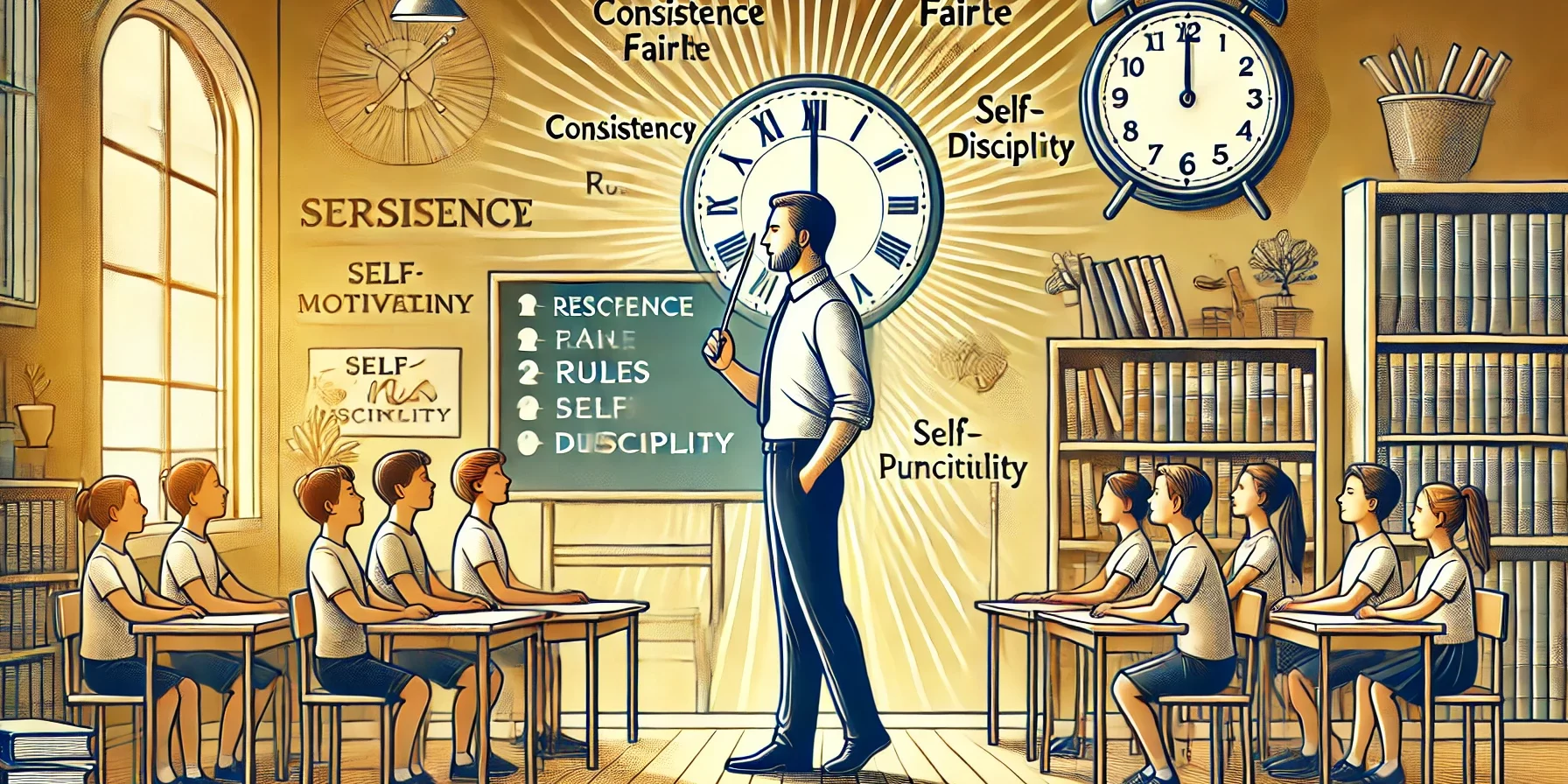
A disciplined attentive class, intent on good performance is a teacher’s dream. But alas it remains elusive for a majority of us. In my more than 3 decades of teaching at the senior secondary level have taught me lessons that no management program or diploma ever could.
Maintaining discipline in the classroom starts with one fundamental principle: a teacher must be disciplined to create an environment of respect, structure, and learning. Your actions, attitude, and consistency set the tone for the class. When you embody the discipline, you wish to see in your students, you naturally inspire them to follow suit.
- Be a Role Model
Students observe their teachers closely, often mirroring their behavior. Students consciously or unconsciously adopt your habits and mannerisms. Better teach them the good ones like punctuality, preparedness, and composure.
- Start on Time: Always begin and end lessons on schedule. This signals respect for your students’ time and reinforces the value of punctuality.
- Show Respect: Speak to students courteously, even when addressing misbehavior. Respect begets respect.
- Being neat, fair, patient, and responsible -All of these, can develop a focused or casual behavior
I remember, in one of the schools I headed as principal, teachers came complaining to me about some inappropriate remarks (on their dresses) made by the students of junior classes. Of course, I tackled it with the help of large-scale counseling but the issue here was that I had called out the said teachers about the inappropriateness of their attire earlier, however, they had raised the flag of treading over their human rights then. The unfortunate incident made them see reason.
- Stay Organized
Disorganization in a teacher can lead to chaos in the classroom. Plan your lessons thoroughly, ensure materials are ready, and anticipate potential challenges. A well-organized teacher projects confidence and control, reducing the likelihood of disruptions.
- Prepare Engaging Lessons: Read well before a class (especially for classes 6-12).Structure your classes with variety to keep students interested.
- Set Clear Expectations: Establish rules and routines early and reinforce them consistently.
- Manage Your Emotions
Self-discipline includes controlling your reactions, especially in challenging situations. A calm, composed teacher can defuse tension and handle disruptions effectively.
- Avoid Yelling: Raising your voice can escalate conflicts and harm relationships. Instead, use a firm yet calm tone.
- Take a Timeout: If a situation frustrates you, pause to gather your thoughts before responding.
- Be Consistent and Fair
Discipline falls apart when rules are inconsistently applied. Students quickly pick up on favoritism or inconsistencies, which can lead to resentment or defiance.
- Apply Rules Equally: Hold all students to the same standards, regardless of their background or relationship with you.
- Follow Through on Consequences: If a rule is broken, ensure the pre-established consequence is applied without exception.
- Prioritize Self-Care
A disciplined teacher takes care of their well-being to maintain their energy, focus, and patience. Teaching is demanding, and neglecting your needs can lead to burnout, which impacts your ability to lead effectively.
- Set Boundaries: Avoid overloading yourself with tasks outside school hours.
- Practice Mindfulness: Techniques like meditation or deep breathing can help you stay centered during stressful moments.
- Build Positive Relationships
A disciplined teacher doesn’t rely on fear or authority but builds relationships rooted in trust and mutual respect. When students feel valued, they are more likely to follow your guidance.
- Be Approachable: Create a safe space where students can express themselves without fear of judgment. But don’t get into discussion about your personal affairs
- Acknowledge Efforts: Recognize and praise students’ positive behaviors to reinforce good habits.
7. Perceive, Reflect and Adapt
Self-discipline involves continuous self-improvement. Reflect on your teaching methods and classroom management strategies to identify areas for growth.
- Seek Feedback: Ask colleagues or students for input on your classroom management style.
- Adapt to Your Class: No two classes are the same—be flexible in tailoring your approach to suit their needs.
Here I can think about self-learning. having taught classes 11 & 12 successfully, in a government school I thought I knew it all. As fate would have I was posted to a different state and city where I had to forego the government job and join a well-known private school. Here the students went to the best competitive coaching classes and I could perceive that my teaching was not being perceived as good. So I found the time and joined a nearby coaching institute as a tutor, to hone my skills. With God’s Grace, I was able to do so.
Being disciplined is not about perfection—it’s about consistency, fairness, and intentionality. By mastering self-discipline, you empower your students to adopt these values, setting them up for success both in and out of the classroom. You, thus create a classroom environment that is structured, respectful, and conducive to learning. Your students will follow your lead, not because they fear consequences, but because they see the value in your example
Remember, the best lessons are taught not just through words, but through actions. Lead with discipline, and watch your classroom transform.